Lucky Mama St Patricks – A Designer’s Practical Take
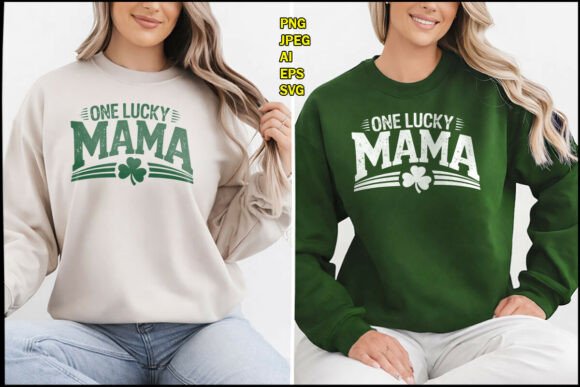
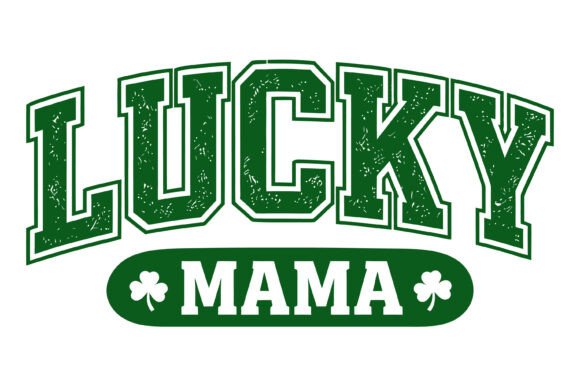
When I first opened the Lucky Mama St Patricks embroidery design, I was immediately drawn to its warm and whimsical vibe. The combination of a classic Irish clover motif with modern typography made me think it could be a versatile addition to any custom project. This design is clearly aimed at celebrating motherhood with a touch of St. Patrick’s Day charm—something that can work well for both personal and commercial use if applied thoughtfully.
First Impressions and Design Personality
The “Lucky Mama” text is bold yet soft in tone, using a green color palette that feels fresh and inviting. The clovers are stylized but not overly intricate, which gives the design a friendly, approachable look. It’s not too busy, nor is it too minimal—it strikes a balance between detail and simplicity. For someone like me who often juggles multiple projects, this kind of layout is a win because it allows flexibility in placement and scaling without losing visual impact.
I can see this design fitting naturally on a handmade baby blanket or a personalized sweatshirt. Its theme suggests celebration and affection, making it ideal for holiday gifts, nursery decor, or even boutique branding around Mother’s Day or St. Patrick’s Day. The overall mood is cheerful and heartfelt, perfect for creating products that feel special and intentional.
Visual Appeal and Stitch Clarity
Looking closer, the clovers have a nice amount of satin stitch detailing that adds depth without overwhelming the fabric. The typography uses a clean font with enough weight to remain legible after stitching. While there are no tiny details that demand high precision, the design does benefit from a moderate stitch density to ensure the letters don’t appear too loose or floaty.
As an embroiderer, I appreciate how the elements are spaced out just right. There’s room for each clover to breathe, and the text isn’t cramped against them. That spacing helps maintain clarity when the design is stitched onto garments or accessories, especially in digital previews or printable mockups where visual accuracy matters.
Real-Life Embroidery Use Cases
I tested Lucky Mama St Patricks on a few common items—like a tote bag and a sweatshirt—and found it performs best on medium-weight cotton blends or quilting cotton. On a tote, the clovers added a subtle 3D effect thanks to the satin stitch fill, while the text remained crisp and easy to read. For a sweatshirt, the design looked great when placed centrally, giving the piece a cozy, handcrafted feel.
- Custom Apparel: Works well on t-shirts and hoodies, particularly when paired with light-colored fabrics to let the greens pop.
- Baby Clothes & Items: The gentle tone makes it suitable for baby sweaters, onesies, or aprons. Just make sure to adjust hoop size accordingly for smaller pieces.
- Tote Bag Design: Ideal for adding a festive touch to reusable bags. The flat lay format translates nicely into a front pocket or central panel.
- Pillow Covers & Tea Towels: These home décor items really highlight the design’s personality. The clovers give a playful nod to tradition, while the text reinforces sentimentality.
- Embroidered Patch: Could be adapted as a patch design for denim jackets or backpacks, though you’ll want to check how the stitch directions handle curved surfaces.
What stands out most is how it elevates the product value. Whether it's a personalized gift or part of your craft business lineup, customers respond positively to designs that feel both professional and heartfelt. The blend of symbols and words also supports brand consistency for small shop owners looking to create themed collections.
Where to Use It Carefully
While the design is adaptable, it does require some attention to detail to avoid issues. Here are a few scenarios where I’d advise caution:
- Small Hoop Sizes: The design might need resizing, and doing so could compromise the readability of the text or the integrity of the clovers.
- Textured or Stretchy Fabrics: Satin stitches may not lay as smoothly on knits or linen, leading to puckering or distortion. A good stabilizer is essential here.
- Dense Stitch Areas: If you’re planning to layer other embroidery elements nearby, be mindful of how the stitch coverage interacts to prevent overcrowding.
- Dark Fabric Backgrounds: The green thread colors won’t stand out as much. Consider adjusting thread shades or using white underlay to enhance contrast.
- Products That Need Frequent Washing: Always test washability before mass production. High-density areas may show wear faster over time.
For Etsy sellers, the key takeaway is to pair this design with the right materials and presentation. A poorly chosen fabric or incorrect hoop size can dull the charm of what’s otherwise a strong machine embroidery design.
Designer Notes for Real Projects
Before committing to a real embroidery project, I always recommend these steps:
- Test on Scrap Fabric: Especially important for checking how the clovers and text behave on different textures.
- Check Thread Color Contrast: Even if the design looks good in preview, actual thread colors may vary slightly depending on lighting and fabric.
- Review Stitch Density: Lower densities can lead to gaps in the design, while higher ones may cause tension issues.
- Confirm Hoop Size: If the original design doesn’t specify, scale carefully and ensure all elements fit within the intended hoop dimensions.
- Inspect Small Details: Look closely at the clovers and lettering to see if they hold up after resizing. Don’t assume everything will translate perfectly.
- Use Proper Stabilizer: Avoid puckering by selecting the correct stabilizer type—washaway for lighter fabrics, tearaway for heavier ones.
- Test in Black and White: Sometimes thread colors aren’t available in your desired shade. A grayscale mockup can help assess whether the design still works visually.
- Compare Light and Dark Fabrics: See how the design behaves in both environments. You may find it more versatile than expected—or discover it needs tweaking.
- Check Licensing Before Selling: As a digital product seller or commercial embroidery creator, confirm whether the design allows resale of finished goods or digital downloads.
Customer Reaction and Market Fit
In my experience, designs that include meaningful text tend to resonate more with buyers. The phrase “Lucky Mama” has a universal appeal, especially during holidays or special occasions. When I shared a sample of the design with fellow handmade shop owners, many noted it would be a hit as a holiday gift or nursery decor item. Others saw potential in using it as part of a seasonal collection for their small shop product lines.
From a buyer engagement standpoint, this design has a strong presence. It communicates warmth and celebration, which are powerful triggers for emotional connection. For personalized gifts, the clovers act as a visual anchor, drawing attention to the message below. It’s a design that invites storytelling, which is exactly what makes it memorable in an embroidery project.
Final Thoughts for Crafters and Entrepreneurs
Lucky Mama St Patricks isn’t a one-size-fits-all design, but it’s close. With the right preparation and understanding of its strengths and limitations, it can become a go-to element in your design assets library. It’s suited for a range of applications—from custom apparel to home décor—but excels most when used on mid-sized, smooth-surfaced items that allow the design to shine.
If you're an embroidery designer or creative entrepreneur looking to add a little St. Patrick’s Day flair to your offerings, this design could be a solid choice. Just remember: take the time to test it out, adapt it to your materials, and present it in a way that highlights its best features. Your customers—and your machine—will thank you.